




Saturday 17 - Sunday 18 October 2026 10:00 – 16.3o Easingwold & District Art Society [Private preview Friday 16 October. Invite only] I'm delighted to be invited to Easingwold this October for an Artist in Residence weekend with the Easingwold & District Art...
Another Successful Workshop
Another Successful Workshop
Drawing with Ink: A Day of Confidence, Curiosity and Letting G0!
Yesterday I delivered a ‘drawing with ink’ workshop, and once again I was reminded why I love teaching as much as I love making work myself
The group was a mix of abilities, from people who draw regularly to those who described themselves as “not very confident drawers”. Ink can feel intimidating — it’s permanent, unforgiving, and doesn’t allow for erasing — but that’s also where its power lies.
We began with warm-up exercises designed to loosen hands and quieten the inner critic. Working quickly and without pressure helps people stop aiming for perfection and start responding to what’s actually in front of them. Very quickly, the room shifted from nervous to absorbed.
Growing in Confidence
Throughout the day we explored line, mark-making and tonal contrast, focusing on observation and experimentation rather than outcome. I encourage participants to see ink as a way of thinking on the page rather than producing a finished drawing. Once that idea lands, confidence grows fast.
One of my favourite moments in workshops is seeing people surprise themselves — realising they can make expressive, confident marks when they stop overthinking. By the afternoon, the work on the tables was bold, individual and full of character. No two responses looked the same, which is always a sign that people are working honestly.
Creativity
Workshops like this aren’t about teaching a single “right” way to draw- and I always emphasise this point. They’re about giving people permission to experiment, to make mistakes, and to trust their own responses. Ink is brilliant for that — it asks for commitment and rewards attentiveness and creativity.
I’m always grateful for the openness and generosity of the people who attend my workshops. Teaching feeds back into my own practice in ways I didn’t anticipate when I first started — it sharpens my thinking, slows me down, and reminds me why drawing and creativity matters.


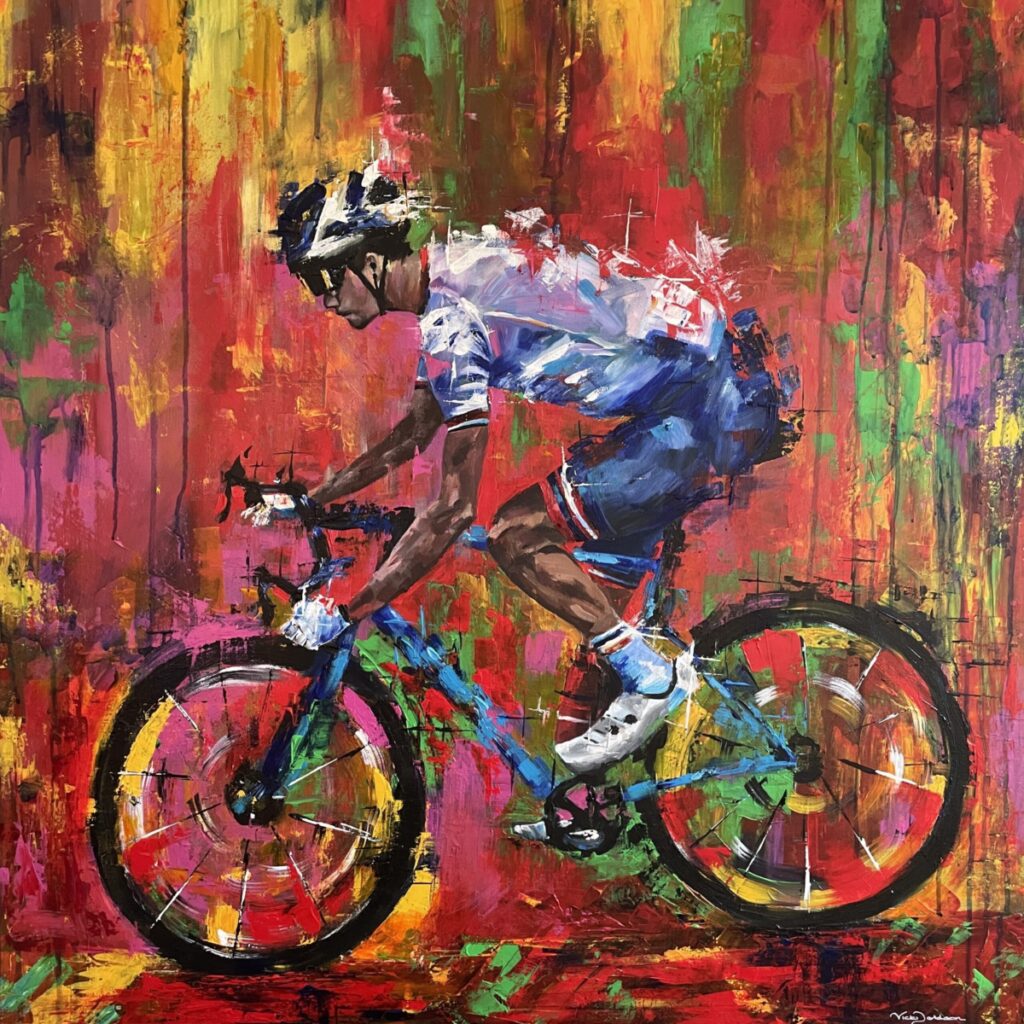
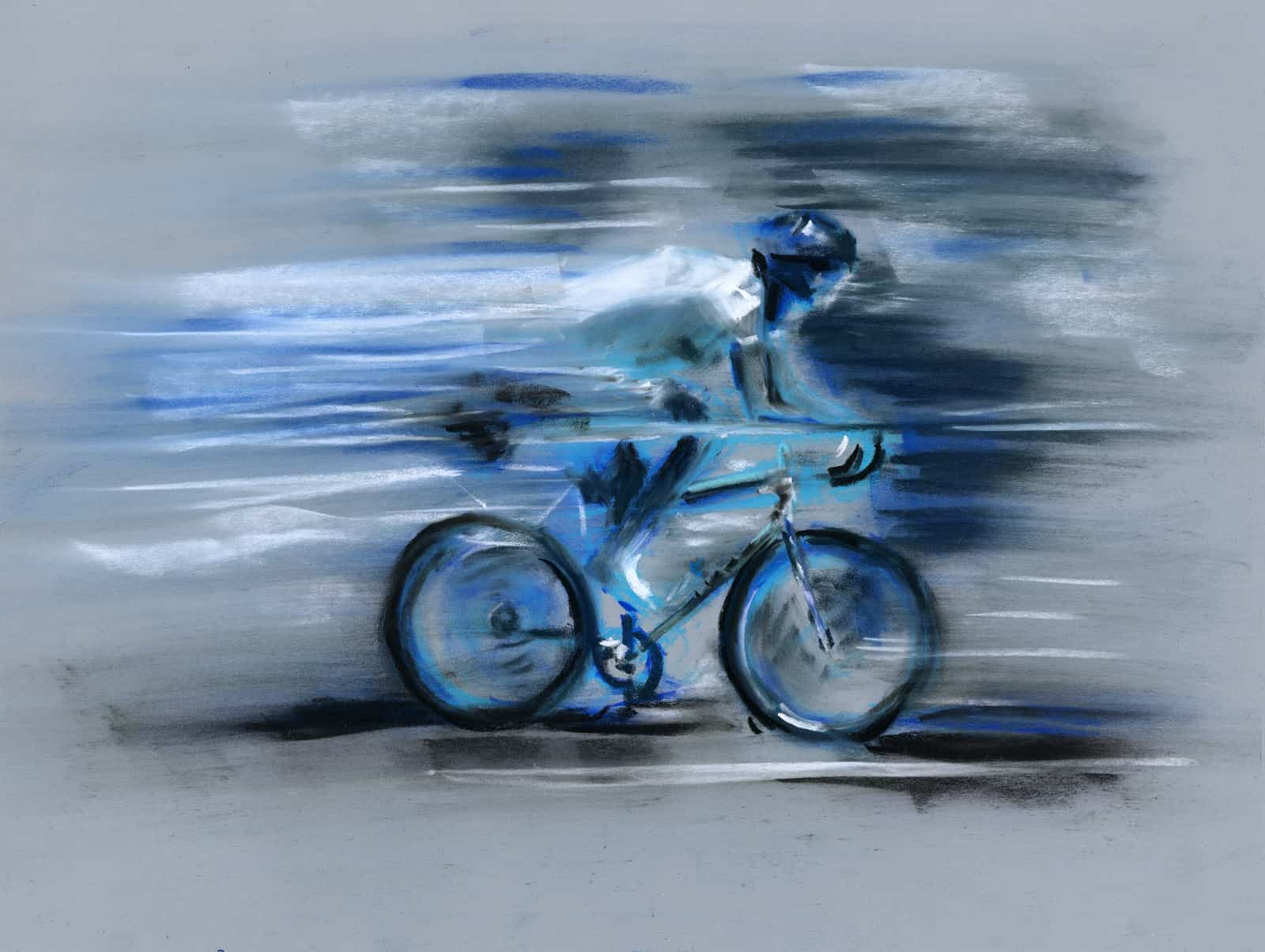
 Soft pastel is also a useful medium to create lively cycling artworks as pastels can be effectively smudged and manipulated directly onto the paper. This enables the addition of ‘swooshes’ of colour to indicate speed and movement.
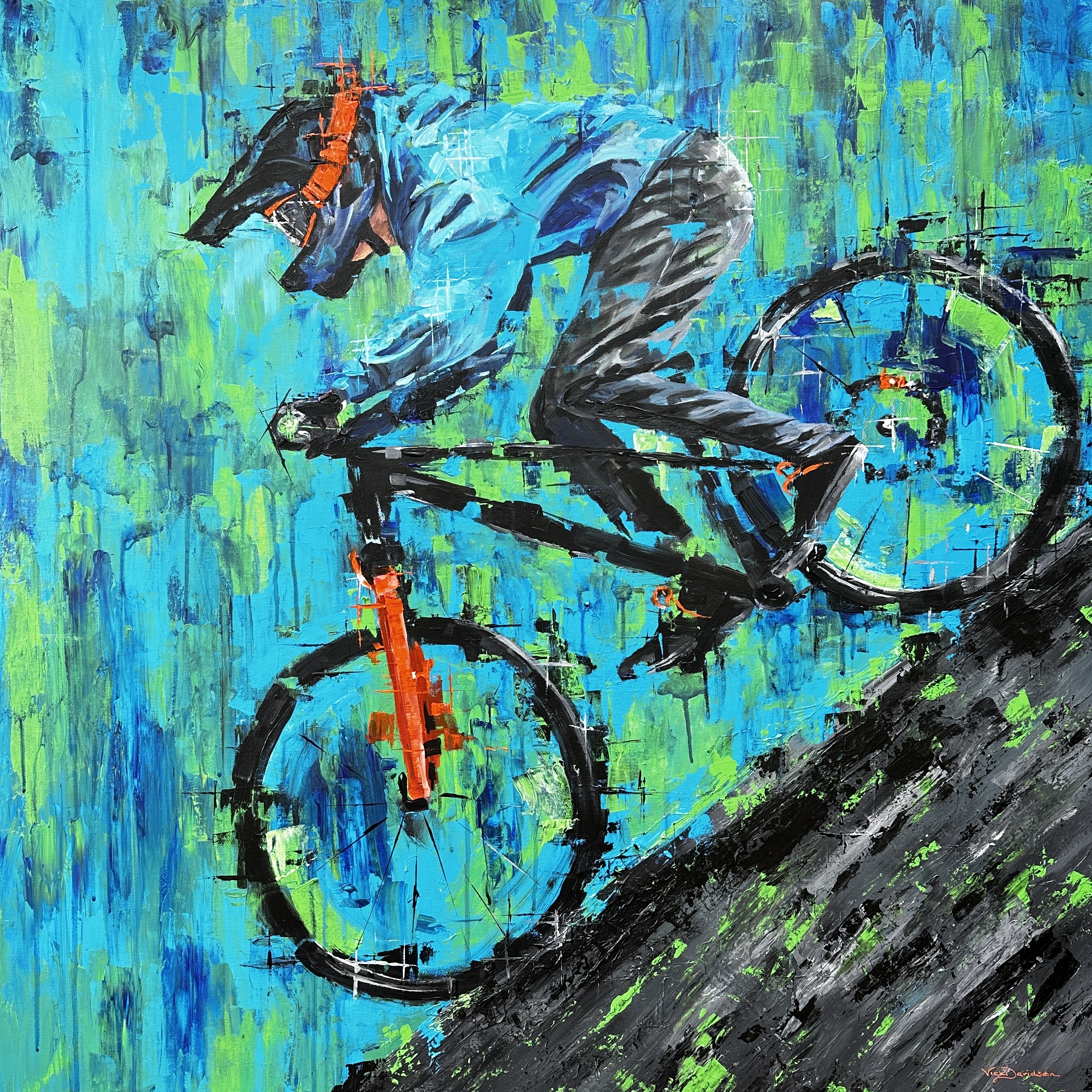
 Cycling art can benefit from a loose, expressive, and somewhat abstract approach. This can be achieved by using multiple layers, soft edges and bold mark making, perhaps using a palette knife or large brush.


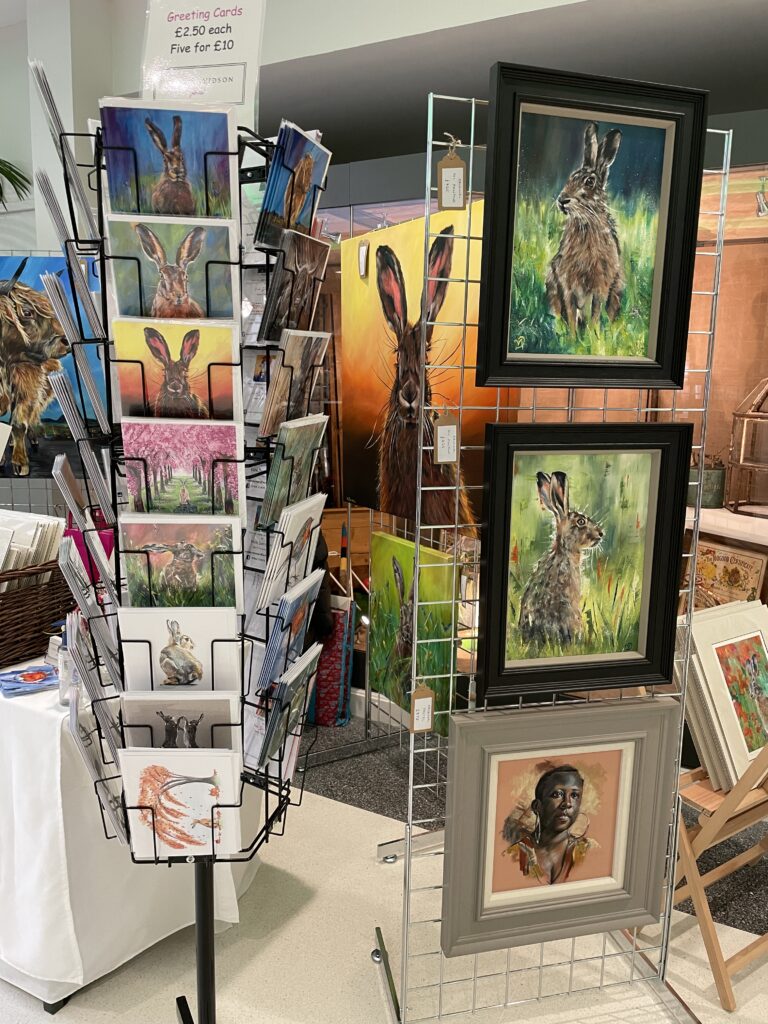
 The quality of your work is important, and key to a successful show. Ensure your artwork is well presented in good quality frames; choosing a neutral colour and all the same can be quite effective in presenting a cohesive body of work. Prints should be mounted and available for customers to easily browse


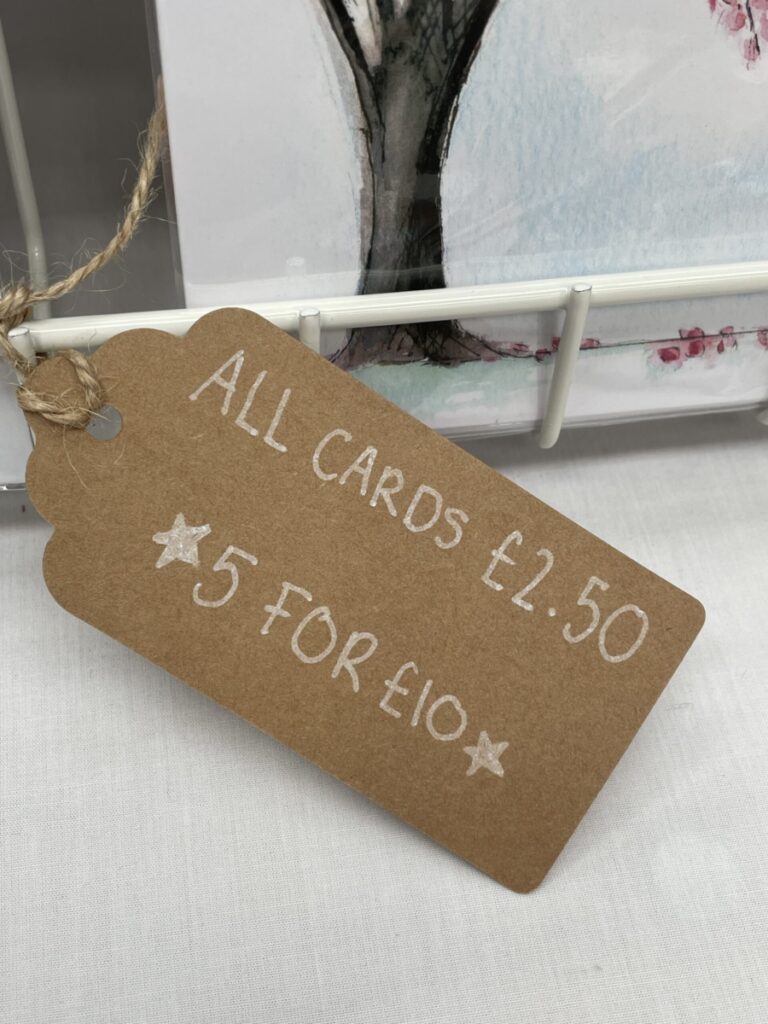


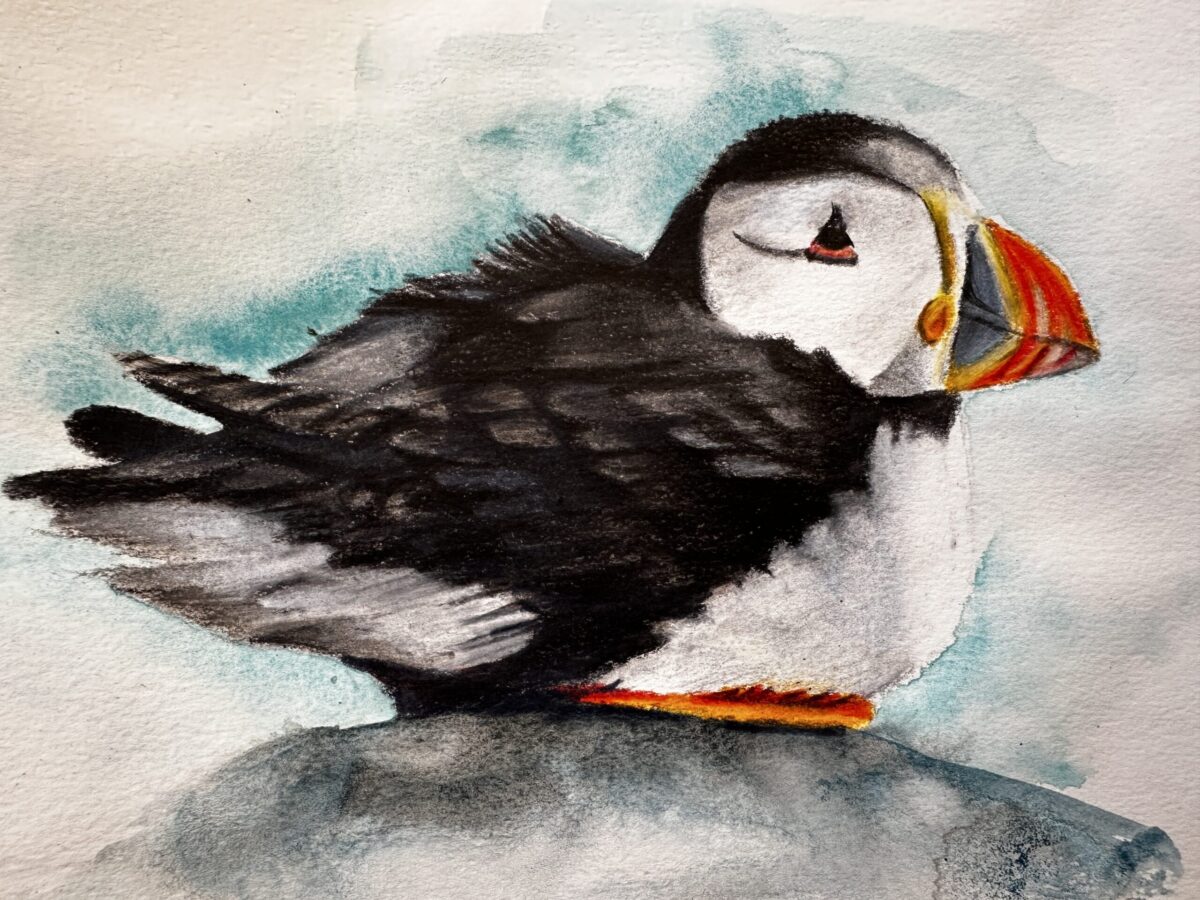
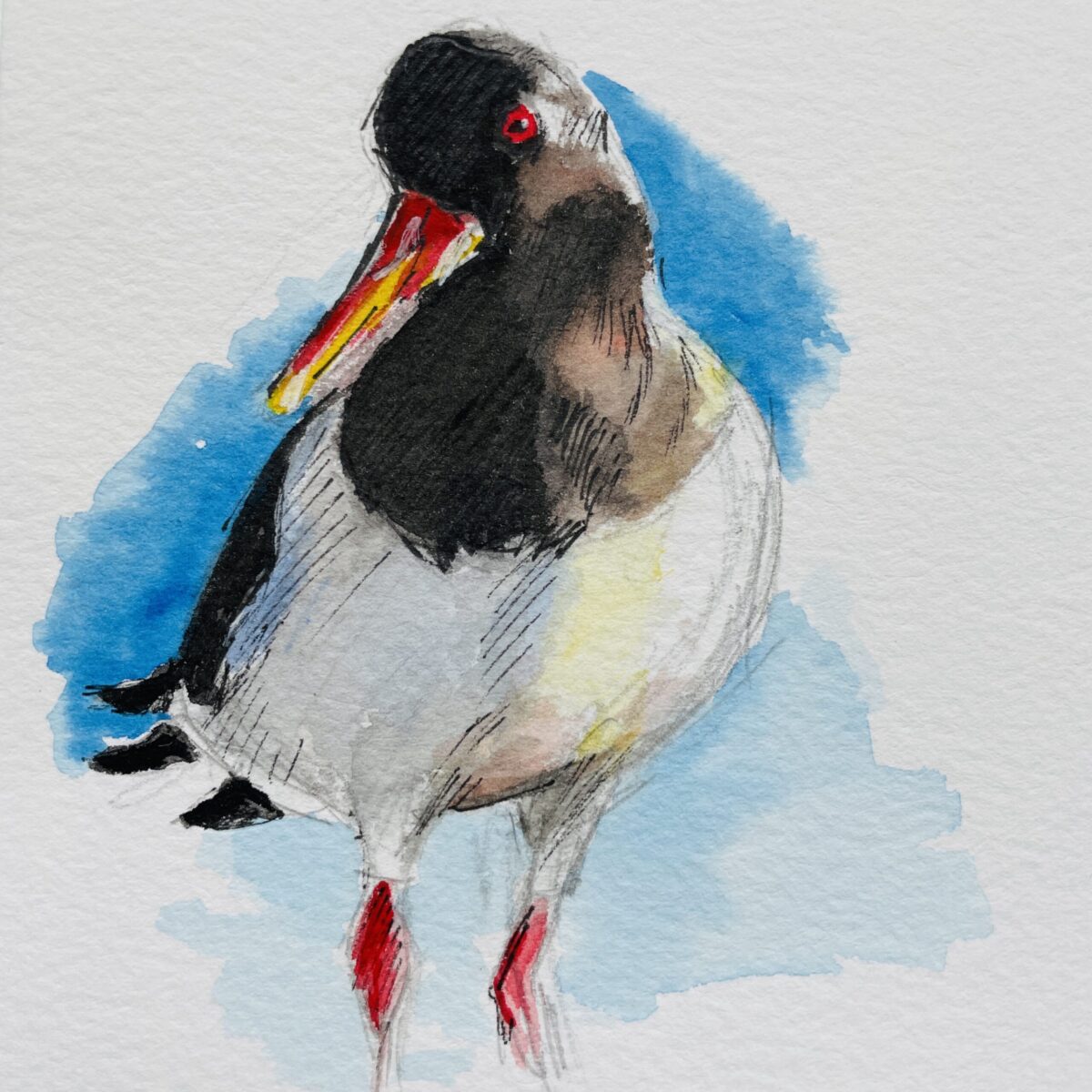
 Some of my previous watercolour sketches have been created in a rather more illustrative style, such as ‘
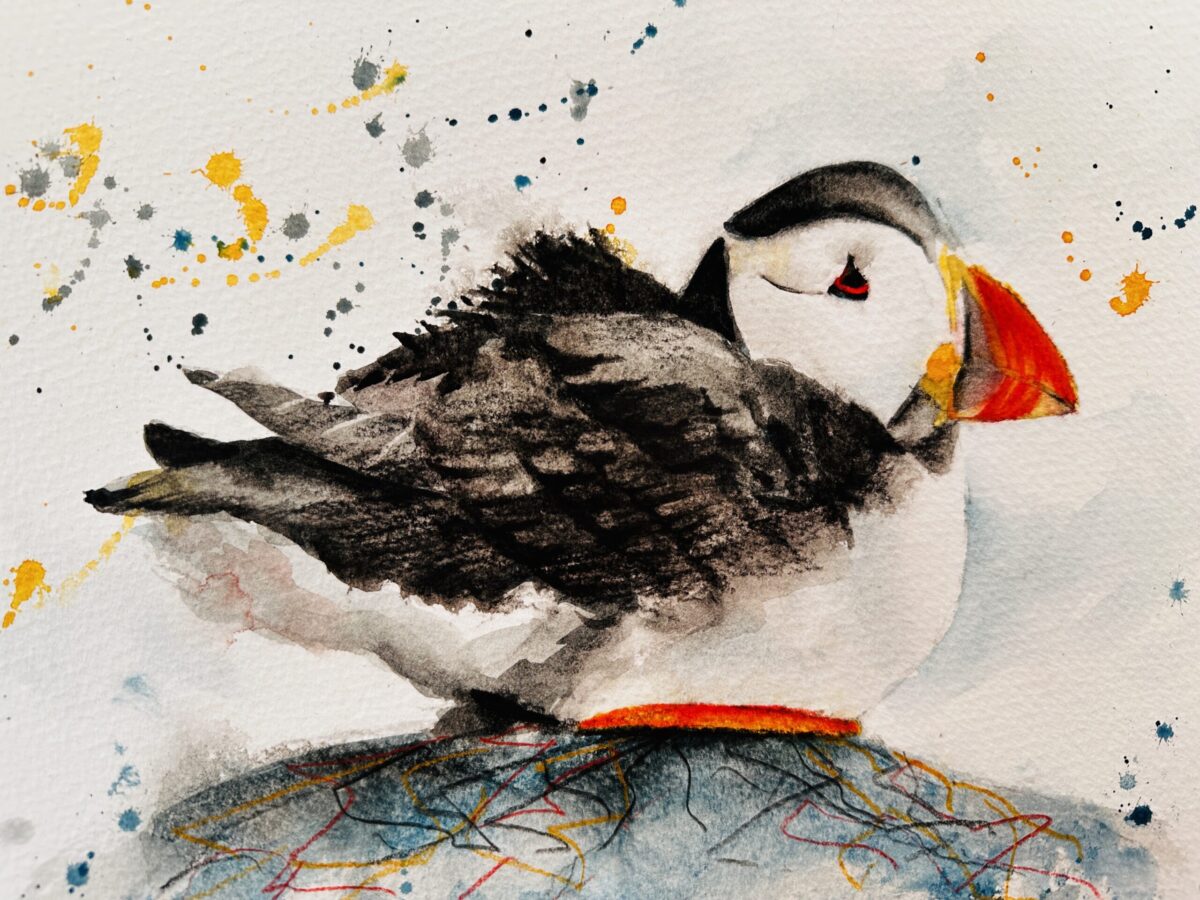
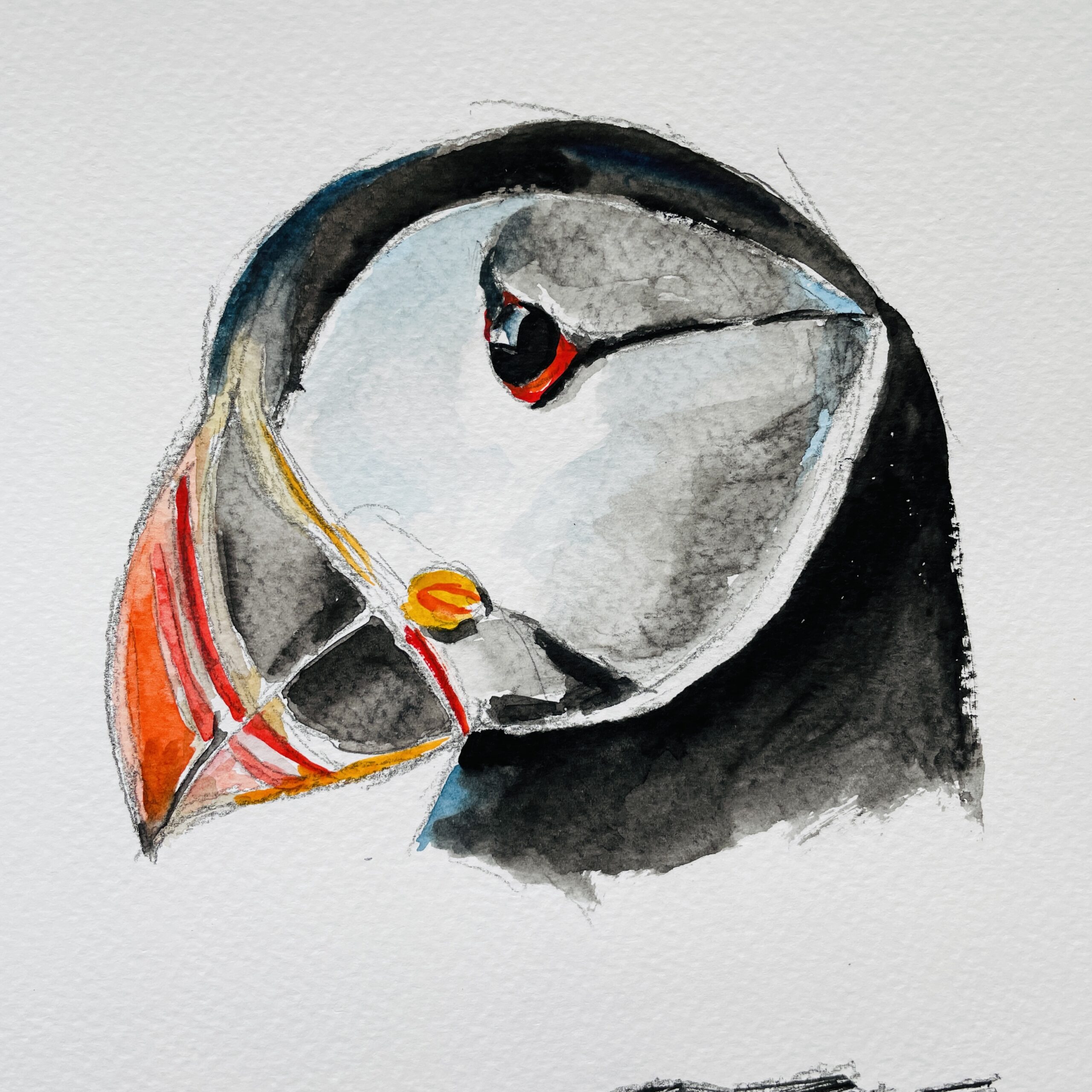
 The other lovely thing about watercolour is you can get splashy. It’s fun to load the brush with lots of pigment and flick the brush across the page. This can create a sense of movement to the painting, in addition to making the artwork loose and colourful.
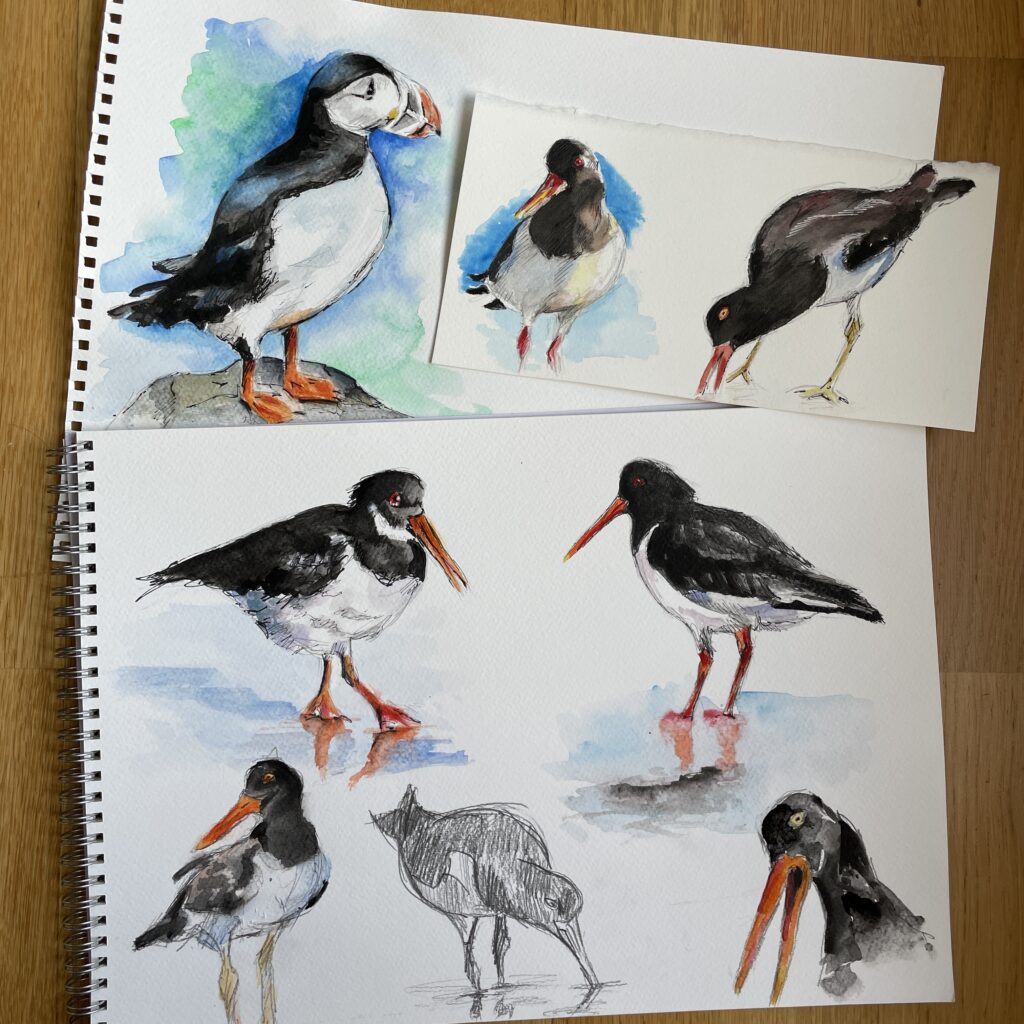
 The smaller studies from my sketch book help inform larger pieces and final works.


 Thumbnail sketches are an excellent tool to help plan paintings and work on composition.



 Another advantage of the boards is the ability to varnish the finished painting (although realised too late this should be a spray varnish as brushing it on can drag the paint. I sadly ruined my first painting by making this mistake)

 I was a little overwhelmed when I arrived at the venue as the pen is so bare and it was hard to work out how we could transform it into a welcoming art gallery. Luckily it had been thoroughly washed and was nice and clean – although there was definitely a lingering farm smell, but that’s all part of the atmosphere of the event I guess!


 My very basic travel kit consists of watercolour paper (a sketchbook and some loose sheets), pencils, ink pens and a little tin of watercolour paints. This is enough for what I need.



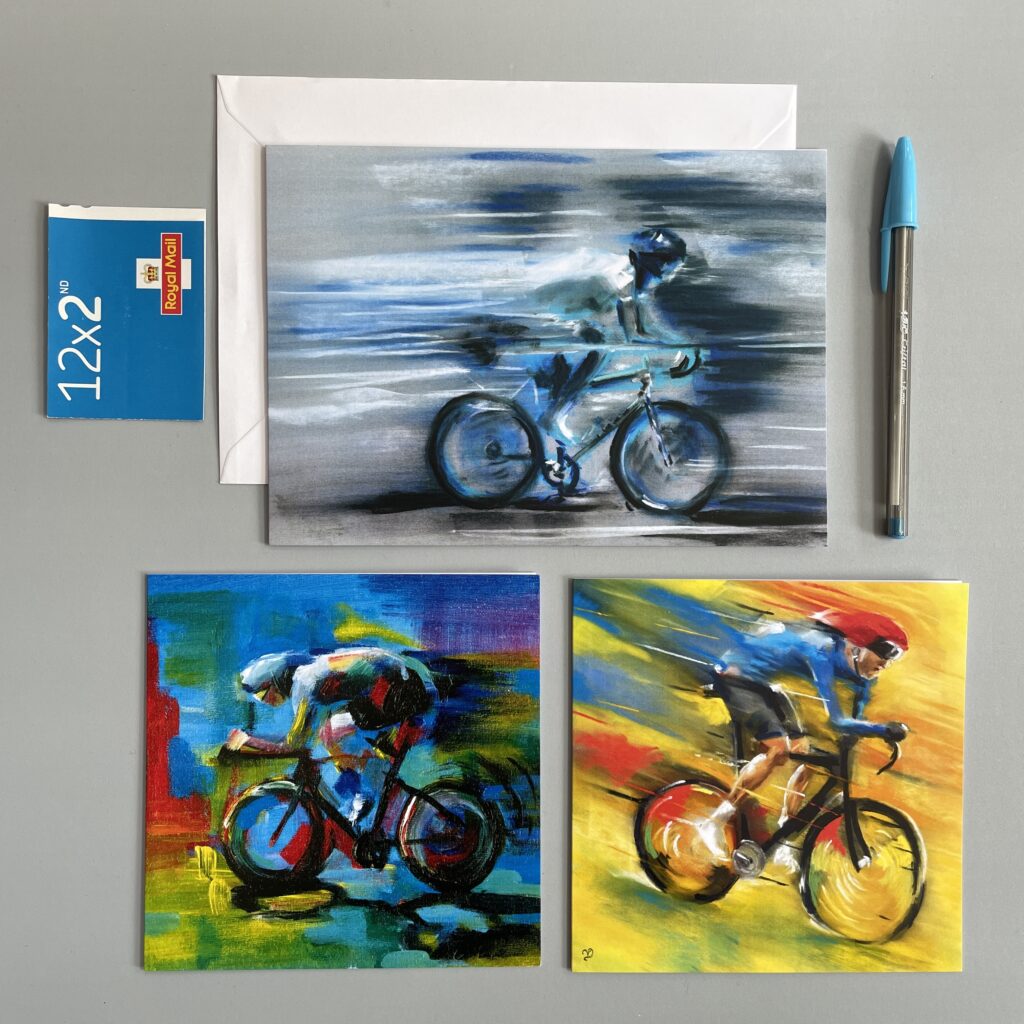

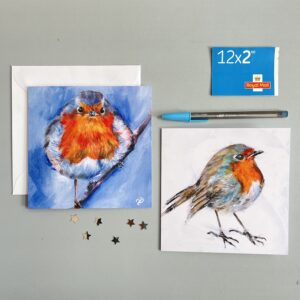
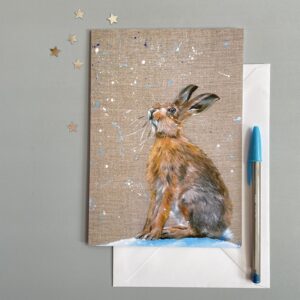
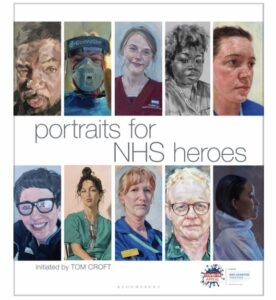
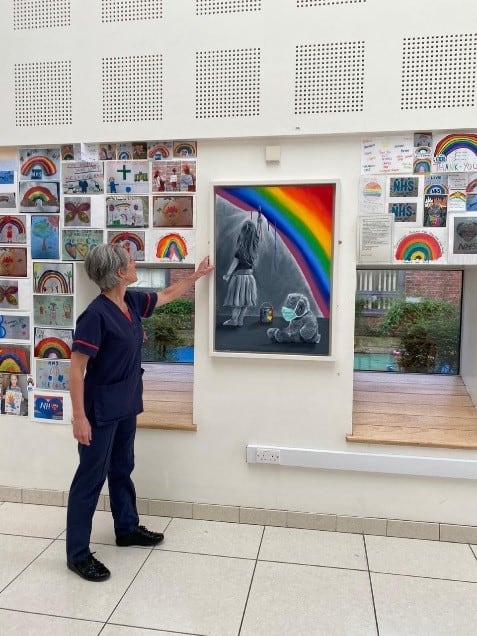
 There are also two charity cards to choose from. These paintings were both created during the pandemic lockdowns and the original pieces are donated to the hospital trust where I work as a nurse.
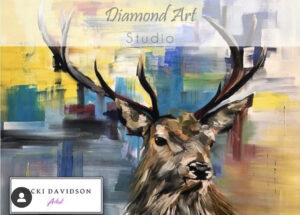 Initially there are three exclusive ‘Vicki Davidson’ licensed diamond paintings for enthusiasts to enjoy.
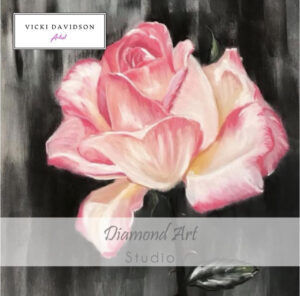 The second exclusive image that has recently been released (stock due any day now) is one of my early pieces and one of the only florals I have done. ‘Pink Rose’ was created with soft pastels and I have always liked this picture for the pink and grey colour palette and soft edges.
 The process of painting is very straightforward and I soon found it to be extremely relaxing and a lot of fun. It’s not at all difficult; I thought it might be more tricky and fiddly than it was.




 And, finally, here is a picture sent to me from a very happy customer after her ‘Yorkshire Hare’ canvas print was given a very prominent spot in her living room. I think he has found a very nice home, what do you think?!


 On return home I was itching to get back to my paints and easel and decided to continue on my ‘hare’ series, working big and bold. My canvas measures 80cmx80cm and I think this painting will make quite some statement! I chose a reference photo from the incredibly talented Sue Cross (IG – @suecross) although I don’t go for photo realistic copy, preferring to adjust and interpret in my own way. I never use a photograph without permission, although sometimes I refer to images from creative commons zero sites such as Pixabay and Unsplash.